Scott 3200A Tailwheel – Fully Rebuilt: Professional Replacement for Compatible Aircraft
Scott 3200A Tailwheel – Fully Rebuilt: Professional Replacement for Compatible Aircraft
Blog Article
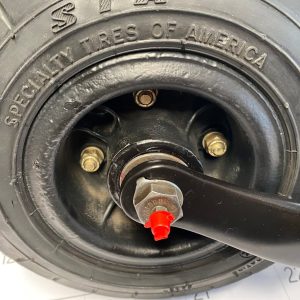
The Scott 3200A Tailwheel – Fully Rebuilt combines an established aviation design with inspected, serviced, adjusted, and replaced components intended to restore dependable mechanical operation. Buyers should request an itemized rebuild summary instead of assuming that every component within the assembly is new.
The Scott 3200A Tailwheel Assembly should be matched with the aircraft tail spring, mounting arrangement, steering linkage, operational weight, and approved configuration. The Scott Tailwheel Assembly may contain bearings, bushings, springs, steering pawls, arms, wheel components, axle hardware, fasteners, and internal wear surfaces.
The Aircraft Tailwheel Assembly carries tail loads while allowing the aircraft to taxi, turn, park, take off, and land on suitable surfaces. The General Aviation Tailwheel should receive maintenance based on actual use, operating surface, contamination exposure, and observed condition.
Whether operators are sourcing a Heavy-Duty Aircraft Tailwheel, Tailwheel Aircraft Parts, or Aircraft Steering Tailwheel, condition and documentation should remain central.
Understanding the Scott 3200A Tailwheel
Its established design makes it suitable for consideration in restoration projects, utility operations, bush flying, private ownership, and flight training. The tailwheel operates together with the aircraft tail spring, steering chains or links, steering springs, rudder system, attachment bolts, and surrounding structure.
Maintaining a Scott 3200A Tailwheel Assembly
Actual operation depends on the complete aircraft installation rather than the tailwheel assembly alone. Detailed documentation gives buyers a stronger basis for comparing available Scott 3200A Tailwheel Assemblies.
Evaluating a Rebuilt Scott Tailwheel Assembly
The rebuilder should evaluate corrosion, cracking, bearing condition, spring strength, steering engagement, axle wear, bushing clearance, and fastener serviceability. Cosmetic refinishing should remain secondary to mechanical condition and structural integrity.
Aircraft Tailwheel Assembly Operation
The assembly carries tail weight while managing runway irregularities, read more side loads, repeated landing cycles, and directional forces. Weak, broken, or mismatched steering springs may reduce directional response or create irregular control.
General Aviation Tailwheel Applications
Maintenance intervals should reflect actual operating conditions rather than calendar time alone. Professional verification helps prevent unsuitable installation and unnecessary project expense.
Maintaining an Aircraft Tailwheel
The tailwheel contributes to directional control as the aircraft transitions between stationary, taxi, acceleration, deceleration, and landing rollout. The wheel should rotate smoothly without excessive side play, roughness, binding, or abnormal drag.
Maintaining a Taildragger Tailwheel
Mechanical wear, poor alignment, or unsuitable steering adjustment can increase pilot workload. Maintenance should address both ordinary wear and damage following unusual ground events.
Benefits of an Aviation Tailwheel System
A worn tail spring or loose mounting bolt may cause poor tracking even when the rebuilt tailwheel remains mechanically serviceable. Left and right steering connections should be inspected for matching condition and correct installation.
Tailwheel Steering Assembly Performance
A professional rebuild should address the complete Tailwheel Steering Assembly rather than only visible exterior parts. Steering arms should be inspected for bending, cracking, corrosion, elongated holes, and wear at attachment points.
Benefits of an Aircraft Ground Handling Tailwheel
Its mechanical condition influences how easily the aircraft can turn and track on the ground. Towbars and handling equipment should match the aircraft and remain clear of vulnerable tailwheel components.
Scott 3200 Series Tailwheel Heritage
Its established design supports servicing, adjustment, rebuilding, and parts replacement by knowledgeable aviation professionals. Model identification should be supported through reliable references and qualified review.
Rugged Tailwheel Performance
The tailwheel should match the aircraft’s suitable configuration, tail load, geometry, and operating environment rather than being selected from appearance alone. Even a robust assembly can wear quickly when the tail spring, steering links, mounting bolts, or alignment are incorrect.
Tailwheel Aircraft Parts
Tailwheel Aircraft Parts may include wheels, tires, bearings, axles, forks, steering arms, springs, pawls, bushings, seals, chains, bolts, and mounting hardware. Systematic inspection supports dependable long-term performance.
Aircraft Steering Tailwheel Performance
The assembly should respond without excessive delay, harsh engagement, binding, or uncontrolled movement. Uneven tire wear may indicate alignment, bearing, or steering concerns.
Buying a Replacement Aircraft Tailwheel
The removed assembly can provide useful measurements, markings, hardware details, and steering-arm orientation. The replacement should be inspected after delivery for shipping damage, missing components, rough bearings, incorrect hardware, cracks, or visible defects.
Choosing General Aviation Landing Gear Parts
The tailwheel should be considered within the broader condition and alignment of the aircraft landing gear. Sellers should avoid unsupported claims of universal compatibility, guaranteed serviceability, or immediate installation readiness.
Rebuilt Tailwheel Buying Checklist
The buyer should request enough information for a qualified maintenance professional to review the assembly before purchase.
- Confirm that the assembly is a Scott 3200A, review all visible markings, compare mounting details, and verify the wheel-and-fork configuration for the intended aircraft.
- Inspect the assembly for cracks, corrosion, bending, damaged threads, enlarged holes, fork distortion, tire wear, rough rotation, and excessive looseness.
- Require packaging that protects the wheel, fork, steering arms, mounting surfaces, fittings, and loose hardware from impact and movement.
Scott 3200A Tailwheel Installation Guide
Installation should be completed by appropriately qualified personnel familiar with conventional-gear aircraft and mechanical tailwheel steering systems. Wheel rotation should remain smooth and centered within the fork.
Pilots should report delayed steering, pulling, vibration, noise, binding, or irregular swivel behavior.
Routine Tailwheel Inspection and Service
Long-term maintenance includes lubrication, tire inspection, bearing review, steering-link checks, cleaning, fastener inspection, spring evaluation, and monitoring of ground-handling performance. The tailwheel should not be ignored simply because it is positioned behind the pilot’s normal field of view.
Hardware and moving areas should remain visible enough for inspection.
Buying a Fully Rebuilt Scott Tailwheel
When professionally inspected, installed, adjusted, tested, and maintained, the Scott 3200A Tailwheel – Fully Rebuilt can become a reliable component of a compatible conventional-gear aircraft. Buyers should request detailed photographs, rebuild records, accurate condition disclosures, secure transaction terms, qualified review, and protective shipping.
Whether the requirement is a Scott 3200A Tailwheel Assembly, Scott Tailwheel Assembly, Aircraft Tailwheel Assembly, or General Aviation Tailwheel, exact installation details should guide the purchase. With verified compatibility, correct installation, professional steering adjustment, suitable lubrication, and routine inspection, the assembly can provide dependable long-term value.
Report this page